Virginia LULAC Honors Black History Month and Celebrates Afro-Latino Legacy
- Virginia LULAC
- Feb 23
- 13 min read


February 2026
This Black History Month, Virginia LULAC proudly honors the rich heritage, resilience, creativity, and global impact of Afro-Latinos throughout the United States. We want to celebrate our Afro-Latinidad and uplift the stories of those whose courage, intellect, and artistry have shaped our country, to confront systems that have attempted to erase our history, and to affirm a fundamental truth: Blackness is integral, powerful, and inseparable from the history of the Americas.
Latin America is one of the most diverse regions in the entire world—a crossroads of African, Indigenous, European, and global cultures whose histories have been shaped by movement, survival, resistance, and creation. The people of Latin America are not defined by a single origin or story, but by shared histories of movement, survival, resistance, and creation. Those histories did not remain confined to Latin America; they traveled with people through migration, displacement, and opportunity, taking root in the United States and shaping its cultural, political, and social fabric. African ancestry is foundational to Latino cultures, languages, music, and traditions, and that legacy is deeply present in Afro-Latino communities across the United States today. To speak of Latino identity in this country without acknowledging Africa is to misunderstand both Latino history and American history itself.
We stand united in the truth that those of the Latino Origin and African Diaspora — bound by shared ancestry, shared struggle, and shared aspirations in the United States. Afro-Latino identity is not separate from Black identity; it is a vital expression of Blackness within the American story and the broader African diaspora. We will not erase African origin, nor will we separate Latino identity from Black identity, because our histories and cultures have always been interconnected. We are one people — interconnected, indivisible, and strengthened through unity as part of a rich and diverse legacy that spans continents and generations.

Arturo Alfonso Schomburg — Historian, Collector, Visionary
Afro-Puerto Rican historian, writer, curator, and activist Arturo Alfonso Schomburg devoted his life to unearthing, documenting, and preserving the history and contributions of people of African descent, fundamentally reshaping how Black history is understood in the United States. Born in Santurce, Puerto Rico, in 1874 to an Afro-Caribbean mother and a father of German descent, he moved to New York City at the age of 17, where encounters with racism inspired his mission to prove that people of African heritage had rich intellectual, cultural, and historical legacies that had been ignored or erased. A central figure in the Harlem Renaissance, he co-founded the Negro Society for Historical Research, served in leadership roles with the American Negro Academy, and wrote and lectured widely to challenge prevailing misconceptions about Black achievement. Schomburg tirelessly amassed a personal archive of books, manuscripts, artwork, slave narratives, and other materials related to the African diaspora; in 1926 the New York Public Library acquired this collection, which became the foundation of what is now the Schomburg Center for Research in Black Culture in Harlem, one of the world’s foremost archives dedicated to the history and culture of people of African descent. His work not only corrected historical omission but also provided generations of scholars, artists, and activists with the tools to reclaim and celebrate Black identity and heritage. https://nmaahc.si.edu/latinx/arturo-alfonso-schomburg

Martina Arroyo — Operatic Trailblazer
Born in Harlem in 1937 to a Puerto Rican father and an African-American mother, Martina Arroyo rose from local music studies to become one of the most celebrated American operatic sopranos of the 20th century, breaking racial barriers in classical music and forging a remarkable international career at major houses including the Metropolitan Opera, Vienna State Opera, La Scala, Covent Garden, and Paris Opera. Known for her rich lirico-spinto voice and commanding portrayals of Verdi, Puccini, and Strauss heroines, Arroyo’s artistry helped make opera more inclusive and visible for Black and Latino performers during the 1960s–1980s. After retiring from the stage in 1989, she became a dedicated educator and mentor, teaching at universities such as Indiana University and offering master classes internationally — and in 2003 she founded the Martina Arroyo Foundation, a New York-based nonprofit that provides emerging opera artists with intensive training in complete role preparation to support the next generation of singers. Her contributions to music and education have been recognized with honors including appointment to the U.S. National Council on the Arts, induction as a Fellow of the American Academy of Arts and Sciences, and a Kennedy Center Honor, securing her legacy as a trailblazer whose life and work expanded access and representation in classical music. https://www.arts.gov/honors/opera/martina-arroyo
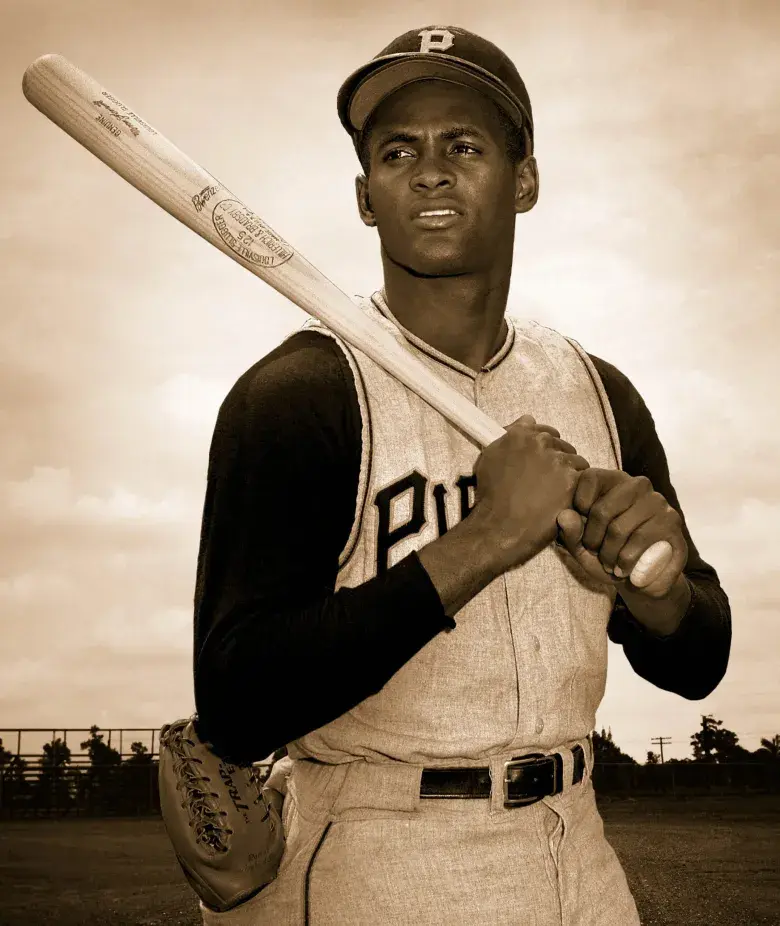
Roberto Clemente — Baseball Legend and Humanitarian
Puerto Rican-born Roberto Clemente was one of the most extraordinary figures in American sports history — a trailblazing Afro-Latino athlete whose excellence on the field and compassion off it left a lasting legacy. Over 18 seasons with the Pittsburgh Pirates, Clemente became a 15-time All-Star, four-time National League batting champion, 12-time Gold Glove winner, and World Series MVP, compiling a lifetime batting average over .300 and recording exactly 3,000 hits — a rare milestone he reached in what would be his final regular-season at-bat in 1972. Beyond his athletic achievements, Clemente was a passionate advocate for equitable treatment of Latin American and Black players in the United States, refusing to accept discrimination and using his prominence to speak out for others. His humanitarian spirit defined his final days: after a devastating earthquake struck Managua, Nicaragua, in December 1972, Clemente organized multiple relief flights and, believing his presence would help ensure aid reached those in need, boarded a cargo plane carrying supplies. The plane crashed shortly after takeoff from Puerto Rico on New Year’s Eve, tragically ending his life at just 38 years old. In 1973 the National Baseball Hall of Fame waived its usual waiting period to induct him — making him the first Caribbean player so honored — and Major League Baseball renamed its annual sportsmanship and community service honor the Roberto Clemente Award in his memory. https://www.pbs.org/wgbh/americanexperience/features/roberto-clemente-his-family-and-his-legacy/
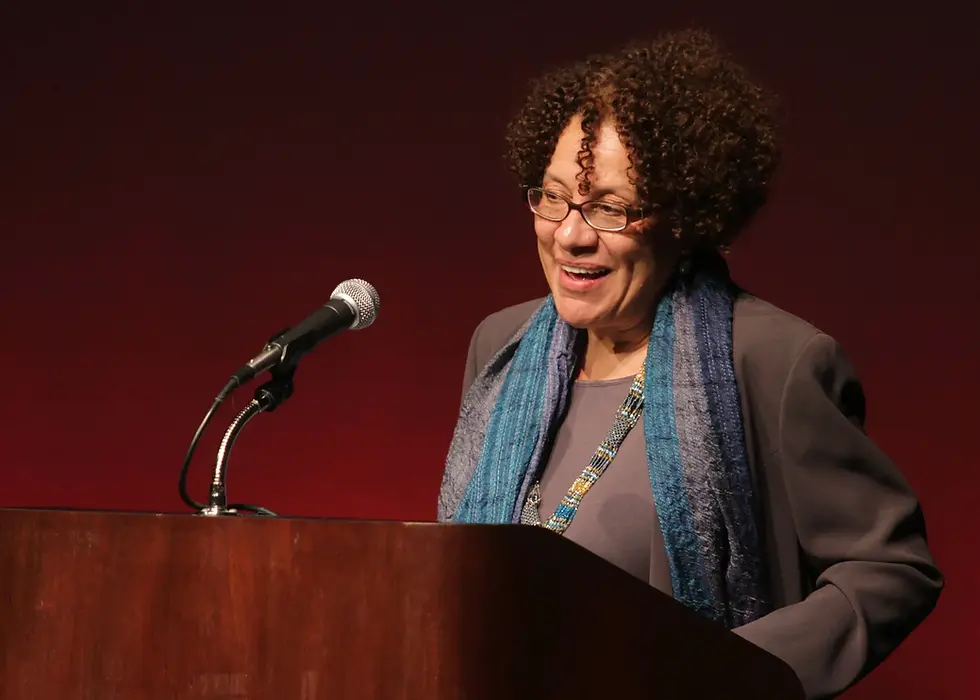
Miriam Jiménez Román — Scholar of Afro-Latinidad
Scholar, activist, editor, and public intellectual Miriam Jiménez Román was foundational in shaping the field of Afro-Latino studies in the United States, dedicating her life to centering Afro-Latino identity in both academic scholarship and public discourse. Born in Aguadilla, Puerto Rico and raised in East Harlem, she used her experiences navigating race, culture, and identity to illuminate the long-overlooked histories of Latinos of African descent in the U.S. Her co-edited anthology The Afro-Latin@ Reader: History and Culture in the United States brought together essays, memoirs, poetry, and historical accounts that broadened the understanding of Afro-Latino presence and contributions, filling crucial gaps in U.S. race and ethnic studies and earning the 2011 American Book Award for its transformative impact. A professor and visiting scholar at institutions including New York University, Brown University, and Columbia University, she also helped found and lead the Afrolatin@ Forum — a research and resource center advocating for visibility, education, and coalition building across Black and Latino communities. Throughout her career she challenged racial erasure, taught innovative courses on Afro-Latinidad, mentored generations of scholars and activists, and tirelessly affirmed the integral presence of Afro-Latinos in the American story until her passing in 2020. https://www.newyorker.com/culture/postscript/the-scholar-who-chronicled-the-afro-latino-experience

Celia Cruz — Queen of Salsa
Born Úrsula Hilaria Celia Caridad Cruz Alfonso in Havana in 1925, Celia Cruz became one of the most influential and beloved figures in Latin music, earning the title Queen of Salsa for her electrifying voice, charismatic stage presence, and enduring impact on Afro-Latin musical culture. After rising to prominence in Cuba as the lead singer of the iconic orchestra La Sonora Matancera, Cruz emigrated to the United States following the Cuban Revolution, where she helped define and popularize salsa music — a genre rooted in Afro-Caribbean rhythms and shaped in the vibrant Latino communities of New York City — through collaborations with legends like Johnny Pacheco, Tito Puente, and the Fania All-Stars. Her powerful contralto, dynamic performances, flamboyant costumes, and signature cry of “¡Azúcar!” made her a global cultural ambassador of Black joy, resilience, and artistic excellence, and she became one of the first Afro-Latinas to be honored with major U.S. distinctions including multiple Grammys and inclusion in the American Women Quarters Program. Cruz’s legacy continues to inspire generations, amplifying Afro-Latin identity and celebrating the central role of Black creativity in American and global music history. https://www.womenshistory.org/education-resources/biographies/celia-cruz

Gwen Ifill — Groundbreaking Journalist
Journalist Gwen Ifill was a pioneering and highly respected figure in American political journalism whose work reshaped how national news was covered and who got to cover it. Born in New York City to parents of Panamanian and Barbadian heritage, she began her career in print journalism before rising through major U.S. newsrooms including The Washington Post and The New York Times, and later becoming a familiar and trusted presence on television. In 1999, she made history as the first African-American woman to host a nationally televised public affairs program when she became moderator and managing editor of Washington Week, where her incisive questioning and thoughtful moderation brought clarity and civility to political discourse. She later became co-anchor and co-managing editor of PBS NewsHour with Judy Woodruff, forming one of the first all-female anchor teams in network news and further solidifying her role as a leader in journalism. Over her four-decade career she covered multiple presidential campaigns, moderated vice-presidential debates, authored the best-selling book The Breakthrough: Politics and Race in the Age of Obama, earned numerous awards including a Peabody, and inspired generations of journalists with her integrity, professionalism, and commitment to elevating diverse voices in the media. https://www.simmons.edu/alumni/gwen-ifill

Rosie Perez — Actress and Advocate
Brooklyn-born Rosie Pérez, the daughter of Puerto Rican parents, is an acclaimed American actress, choreographer, writer, and tireless advocate whose work both on and off screen has amplified Afro-Latino voices and challenged systemic barriers. Rising to prominence with her breakthrough role in Do the Right Thing and earning an Academy Award nomination for Fearless, Pérez has spent more than three decades using her platform to push for authentic representation of Latinos and people of color in film and television, rejecting industry pressure to erase her identity or conform to stereotypes along the way. Beyond her artistic achievements, she has been a vocal champion for arts education, serving as artistic board chair of the Urban Arts Partnership, which brings creative opportunities to underserved youth, and was appointed by President Barack Obama to the Presidential Advisory Council on HIV/AIDS in recognition of her public health advocacy. Throughout her career, Pérez has spoken candidly about colorism, racism, and the need for unity and equity within and beyond Latino communities, harnessing her visibility to elevate issues of justice, cultural pride, and access to opportunity. “I think it’s very dangerous—the separation of color within the Latin community. People who are dark skin have to pronounce themselves as Afro-Latinos," she told Essence in 2019. "The Latinos that are not dark-skinned don’t call themselves White Latinos or Caucasian Latinos. I know that might sound controversial, [but] I think it’s important that we unify. That said: there is a disparity in regards to seeing brown, dark brown and Black-skinned colored Latinas, Latinos, LatinX—whatever—it hasn’t changed that much.” https://hispanicheritage.org/oscar-golden-globe-and-emmy-nominated-actress-choreographer-advocate-rosie-perez-to-receive-hispanic-heritage-awards-for-leadership/
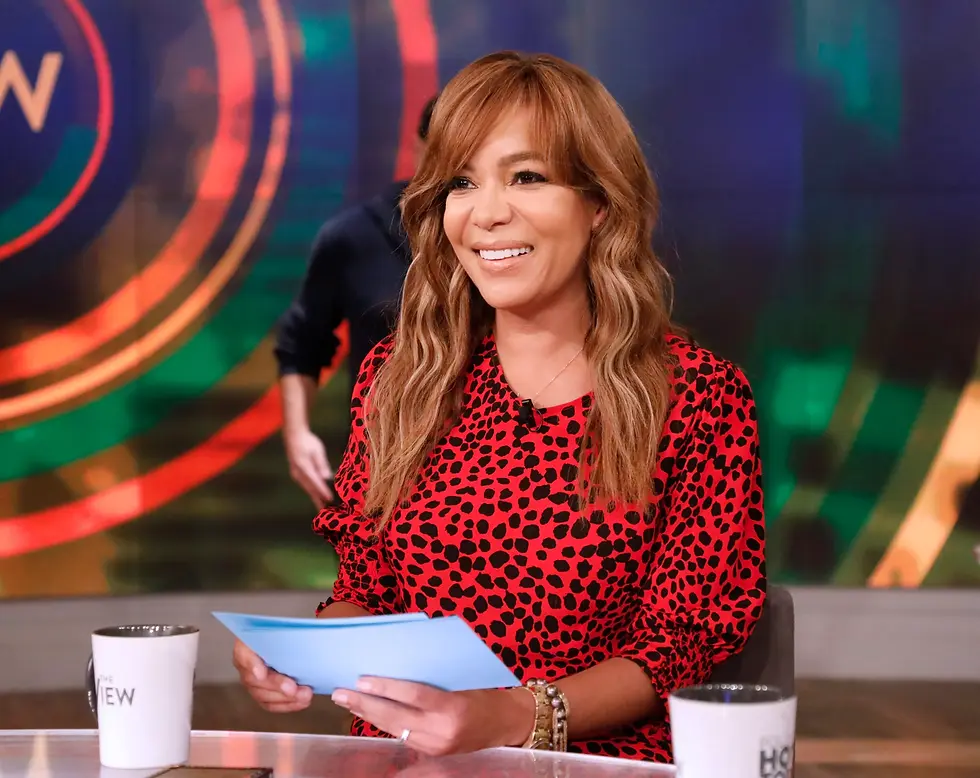
Sunny Hostin — Voice in Media and Law
Raised in the South Bronx by a Puerto Rican mother and an African American father, Sunny Hostin has become one of the most influential legal analysts and media voices in contemporary American journalism. After graduating from Binghamton University and earning her law degree from Notre Dame Law School, she began her professional career as an appellate law clerk and federal prosecutor with the U.S. Department of Justice, where she was honored with a Special Achievement Award for her work prosecuting child sexual predators. Leveraging her legal expertise and deep commitment to justice, Hostin transitioned into television, serving as a legal analyst for CNN and later joining ABC’s The View as a co-host and senior legal correspondent, where her incisive commentary on law, politics, and social issues has helped elevate national conversations about justice, equity, and representation. In addition to her work on television, she is a New York Times bestselling author, having written both memoir and fiction that explore identity, culture, and the complexities of modern American life, and she continues to use her platform to challenge stereotypes, advocate for marginalized communities, and bring clarity and integrity to public discourse. https://sunnyhostin.com/about/
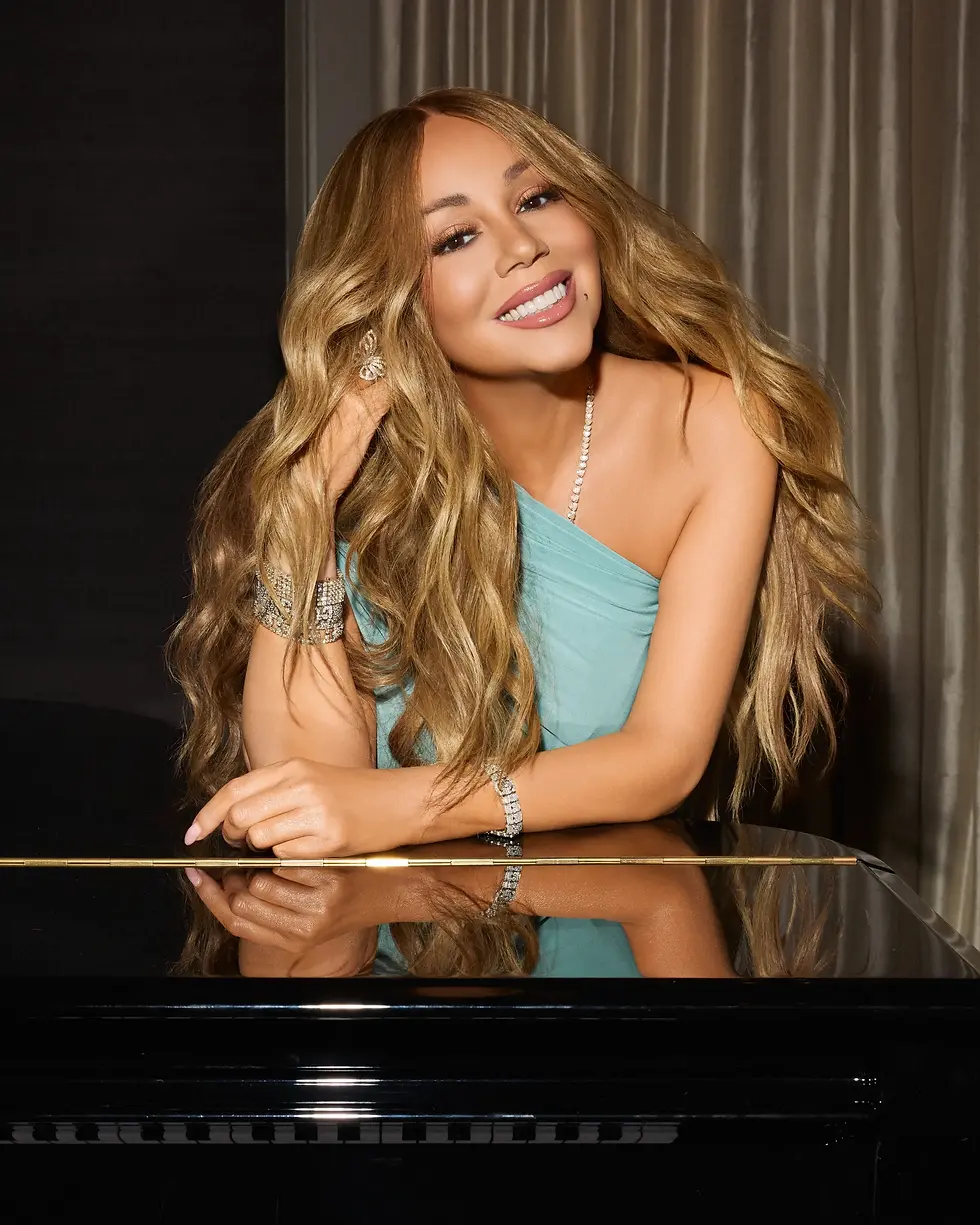
Mariah Carey — Musical Icon of Multiracial and Afro-Latino Heritage
American music icon Mariah Carey was born in Huntington, New York, to an Irish-American mother and a father of African-American and Afro-Venezuelan descent, giving her a deeply multicultural identity that has informed both her life and her art. Her father’s family originally bore the surname Núñez before adopting “Carey” after immigrating to the United States — a change Carey has reflected on as emblematic of the complexities of race and acceptance in America. Since her breakthrough in the early 1990s with her self-titled debut album, which showcased her extraordinary five-octave range and signature whistle notes, Carey has become one of the best-selling female artists in history, selling over 200 million records worldwide and earning numerous honors including five Grammy Awards, induction into the Songwriters Hall of Fame, and a record-tying 19 Billboard Hot 100 number-one singles — more than any other solo artist in U.S. chart history. Her enduring influence was celebrated most recently with the Michael Jackson Video Vanguard Award at the 2025 MTV Video Music Awards and her selection as MusiCares’ 2026 Person of the Year, honors that reflect both her artistic impact and her philanthropic efforts. Carey’s music — from chart-topping pop and R&B to the perennial holiday classic “All I Want for Christmas Is You” — has shaped the sound of multiple generations and continues to resonate across cultural boundaries, underscoring her legacy as a transformative figure in American music. https://www.britannica.com/biography/Mariah-Carey

Bruno Mars — Global Music Star
Born Peter Gene Hernandez in Honolulu, Hawaii, Bruno Mars is an American singer, songwriter, producer, and performer whose multicultural heritage and genre-bending artistry reflect the rich tapestry of the modern Afro-diasporic world. With a father of Puerto Rican and Ashkenazi Jewish descent and a mother of Filipino and Spanish ancestry, Mars embodies a blend of Latino, Asian, and global influences that have shaped both his personal identity and his music. His upbringing in a musical family immersed him in a wide range of styles — from Latin rhythms and Caribbean beats to R&B, funk, pop, and soul — allowing him to craft a signature sound that resonates across cultures and continents. Mars has consistently acknowledged the profound influence of Black musical traditions like reggae, jazz, rhythm and blues, and soul on his work, and he has used his platform to honor those roots while bridging cultural divides in popular music. As one of the most successful and awarded artists of his generation, his global hits and electrifying performances have amplified the interconnectedness of diverse diasporic cultures, making him both a product and a promoter of multicultural art in the American musical landscape.https://www.britannica.com/art/funk

Zoe Saldaña — Film Icon and Cultural Ambassador
American actress Zoë Yadira Saldaña Nazario has become one of the most successful and influential Afro-Latina performers in Hollywood, using her platform to expand representation and affirm her Afro-Dominican and Afro-Puerto Rican roots in global cinema. Born in Passaic, New Jersey, to a Dominican father and a Puerto Rican mother, she grew up bilingual and bicultural — experiences that shaped her identity and informed her work both on screen and off. Over a career spanning nearly 25 years, Saldaña has starred in some of the highest-grossing film franchises of all time, including Star Trek, Avatar, and the Marvel Cinematic Universe, bringing strength, nuance, and visibility to roles that transcend simplistic stereotypes. Her historic 2025 Academy Award win for Best Supporting Actress — the first Oscar for a Dominican American and one of the few for an Afro-Latina — marked a milestone for Afro-Latino representation in mainstream American film and underscored her commitment to diversity and cultural authenticity in storytelling. Through her work and public voice, Saldaña continues to elevate conversations about inclusion and identity in media, inspiring a new generation of Afro-Latino artists and audiences alike. https://hollywoodauthentic.com/zoe-saldana/

Cardi B — Amplifying Afro-Caribbean Identity
Raised in the Highbridge neighborhood of the South Bronx by a Dominican father and a Trinidadian mother, Cardi B (Belcalis Marlenis Almánzar) has become one of the most visible and influential American artists whose cultural identity challenges simplistic definitions of race and ethnicity. Born in New York City and proudly identifying as Afro-Caribbean and Afro-Latina, she has used her platform — from chart-topping hip-hop hits to candid public commentary — to highlight the rich, intertwined roots of Caribbean and Latino cultures and to push back against narrow assumptions about who can claim Black identity and heritage. Cardi has openly discussed how her background shaped her sense of self and the way she confronts misconceptions about Blackness, race, and Caribbean culture, reminding audiences that being Afro-Latino encompasses both lived experience and ancestral history. Her success in music, social media influence, and cultural commentary has elevated conversations about diversity, identity, and representation in American pop culture, helping to broaden how Afro-Caribbean and Afro-Latino identities are seen and understood in the mainstream. https://www.biography.com/musicians/cardi-b

Amara La Negra — Afro-Latina Cultural TrailblazerAmerican singer, entertainer, and media personality Amara La Negra (born Diana Danelys De Los Santos in Miami to Dominican parents) has become a powerful voice for Afro-Latino visibility, identity, and representation in the United States. Starting her career at age four on the long-running Spanish-language variety show Sábado Gigante, she grew up immersed in performance and later appeared as a breakout cast member on VH1’s Love & Hip Hop: Miami, where her unapologetic embrace of her Afro-Latina heritage — including her natural hair and Dominican roots — sparked national conversations about colorism, racial prejudice, and the erasure of Black Latinos in entertainment and the broader culture. She has openly challenged industry expectations that Latinas conform to Eurocentric beauty standards, using her platform to affirm Afro-Latino identity and encourage others to embrace their heritage with pride. Her music career, including hits like “What A Bam Bam”, and her work across music, television, and entrepreneurship reflect both her artistic talent and her commitment to representation and empowerment within the Afro-Latino community in the United States. https://wearecocina.com/blog/latino-trailblazers-amara-la-negra-singer-dancer-tv-host-on-embracing-herself?srsltid=AfmBOorKVmrvgjDV6zzSqvxHsSfgF5MGqba2aLHNyT41wDEZOMD6qHw_
United in Heritage, Unified in Purpose:
Each of these individuals affirms a powerful truth: Afro-Latino identity is Black identity — rooted in African origin and inseparable from the global Afro-African community and the American experience. In the United States, Afro-Latinos are part of the deep, multifaceted Black presence that has shaped the nation’s culture, from music and literature to politics and community leadership. Afro-Latino musicians, athletes, writers, organizers, and cultural figures have infused American culture with rhythms, stories, and perspectives that reflect centuries of movement, resilience, and creative fusion, including the shaping of salsa, hip-hop, literature, civil rights activism, and more. Their lives remind us that Black history is American history, and that Afro-Latino voices are central to its telling — not on the margins, but at its very heart.
Virginia LULAC stands in unbreakable solidarity with Afro-Latino, Afro-Caribbean, African American, and African communities everywhere. From Africa to the Caribbean, from Latin America to the United States, our heritage is intertwined, our resilience is shared, and our future is forged together.
Black history is world history — and Afro-Latino voices are at its heart.
###
About Virginia LULAC
Virginia LULAC is the state chapter of the League of United Latin American Citizens (LULAC), the nation’s oldest and largest Latino civil rights advocacy organization. Our mission is to advance the economic condition, educational attainment, political influence, health, housing, and civil rights of Hispanic Americans in the Commonwealth of Virginia and beyond.


Comments